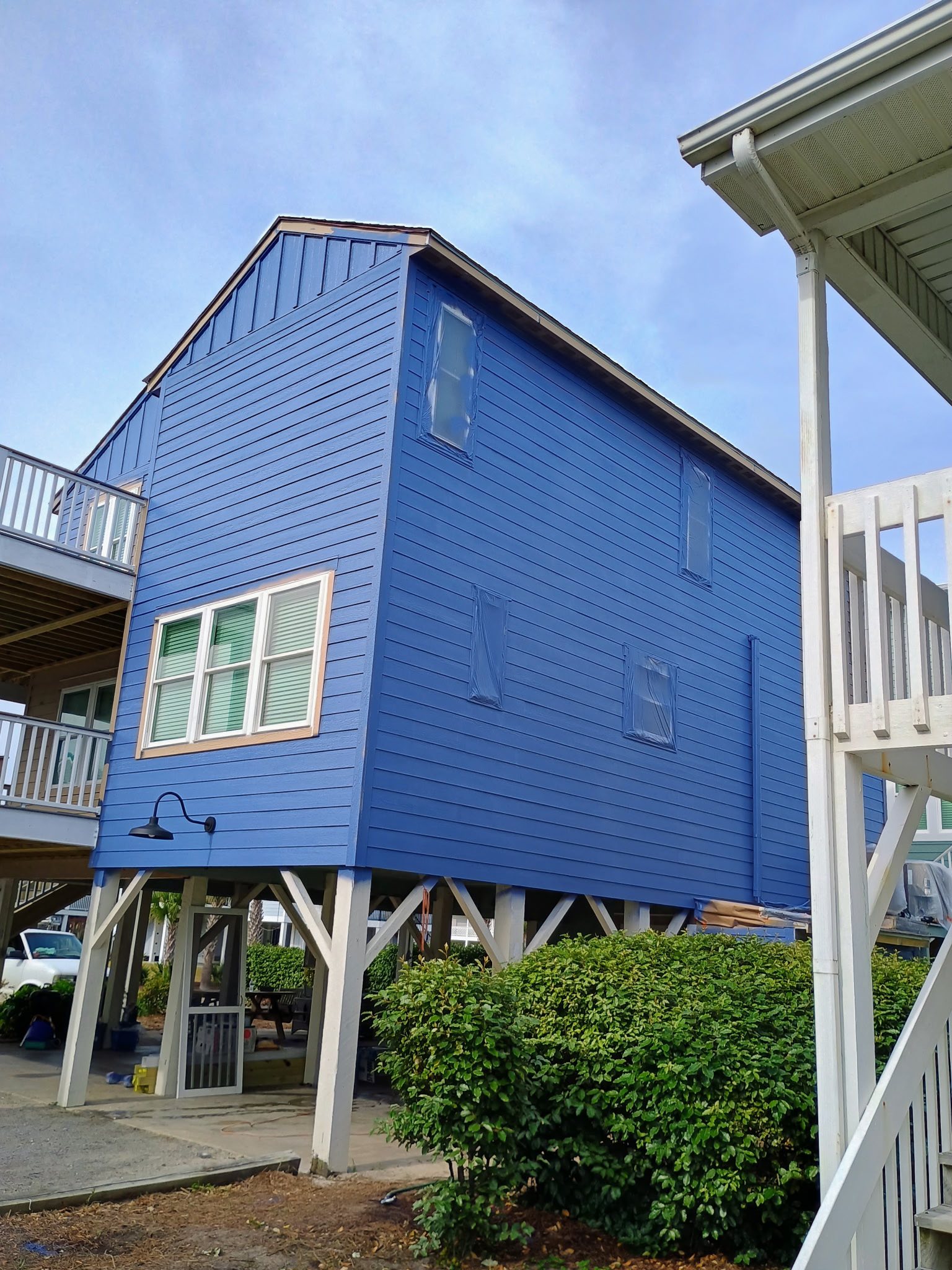
Preserve and Protect: The Importance of Primer in Professional Painting Mar 20, 2026
To begin with, primer acts as a preparatory coat applied before the primary paint. Its primary function is to create a smooth, adhesive surface for the paint to adhere to, ensuring durability and uniformity in color. Without primer, paint can easily chip, bubble, or peel, as it's attempting to stick to poorly prepared surfaces such as bare wood, metal, or walls with existing paint. This is especially crucial for exterior surfaces exposed to the elements, where the protection offered by primer can extend the lifespan of your paint job significantly.
Additionally, primer is key to enhancing paint adhesion. This is especially important when dealing with tricky surfaces like glossy finishes or raw drywall. For instance, painting directly onto glossy surfaces without primer can result in uneven application and a blotchy appearance. Using a primer specifically designed for such surfaces ensures that the topcoat adheres properly and evenly, creating a professional-quality finish.
Moreover, primer is invaluable in stain and odor blocking. For homes that have experienced water damage, smoke, or have been previously occupied by smokers or pets, odors and stains can be trapped within walls. A specialized stain-blocking primer can effectively seal these issues, preventing them from seeping through the new paint layers. This means you won't just be masking a problem; you'll be addressing it at its root, resulting in a fresher, cleaner finish.
From an aesthetic perspective, primer provides a neutral base that enhances the final appearance of the paint color. Dark or vivid paint colors can be stubborn, requiring multiple coats to achieve desired coverage. A tinted primer, matched to the topcoat color, can reduce the number of topcoat layers needed, saving both time and money without compromising on vibrancy.
For exterior surfaces, primers are crucial in providing added protection from harsh weather conditions. They act as a protective barrier against moisture, UV rays, and temperature fluctuations that can cause traditional paint to deteriorate prematurely. For this reason, customers investing in exterior painting should understand that primer contributes to the longevity and resilience of their paintwork, ultimately saving costs on frequent repaints.
Concluding, the role of primer in both interior and exterior painting projects extends far beyond a base coat. It is foundational to achieving a superior, long-lasting paint finish that preserves the beauty and integrity of your property. By incorporating the right primer into your project, you ensure a better-performing paint job that properly reflects your investment in quality. At PJ's Interior-Exterior Painting, our expertise in selecting and applying the right primer tailored to each surface is part of what ensures top-tier results for our clients. Embrace the full potential of your painting project by not overlooking the crucial step that is priming, and experience the profound difference it can make in revealing the true beauty of professional painting.
/filters:no_upscale()/filters:format(webp)/media/27f92a9d-8296-482c-9eab-799eccd577d2.jpeg)