Secrets to Seamless Transitions: Harmonizing Colors Between Interior and Exterior Surfaces Jan 15, 2026
Begin by considering the architecture and natural surroundings of your home. Your home's architecture often dictates the types of colors that will complement its style. For instance, a modern home with clean lines and expansive glass might benefit from neutral tones that emphasize its structure. Meanwhile, a Victorian-inspired house might embrace bolder, period-specific colors.
Next, consider the landscape and environment around your house. Are there lush greens, earthy browns, or maybe a breathtaking ocean view that can inspire a color palette? Nature not only provides endless inspiration but also helps in selecting colors that naturally blend with your surroundings, thus providing a seamless transition between outdoor and indoor spaces.
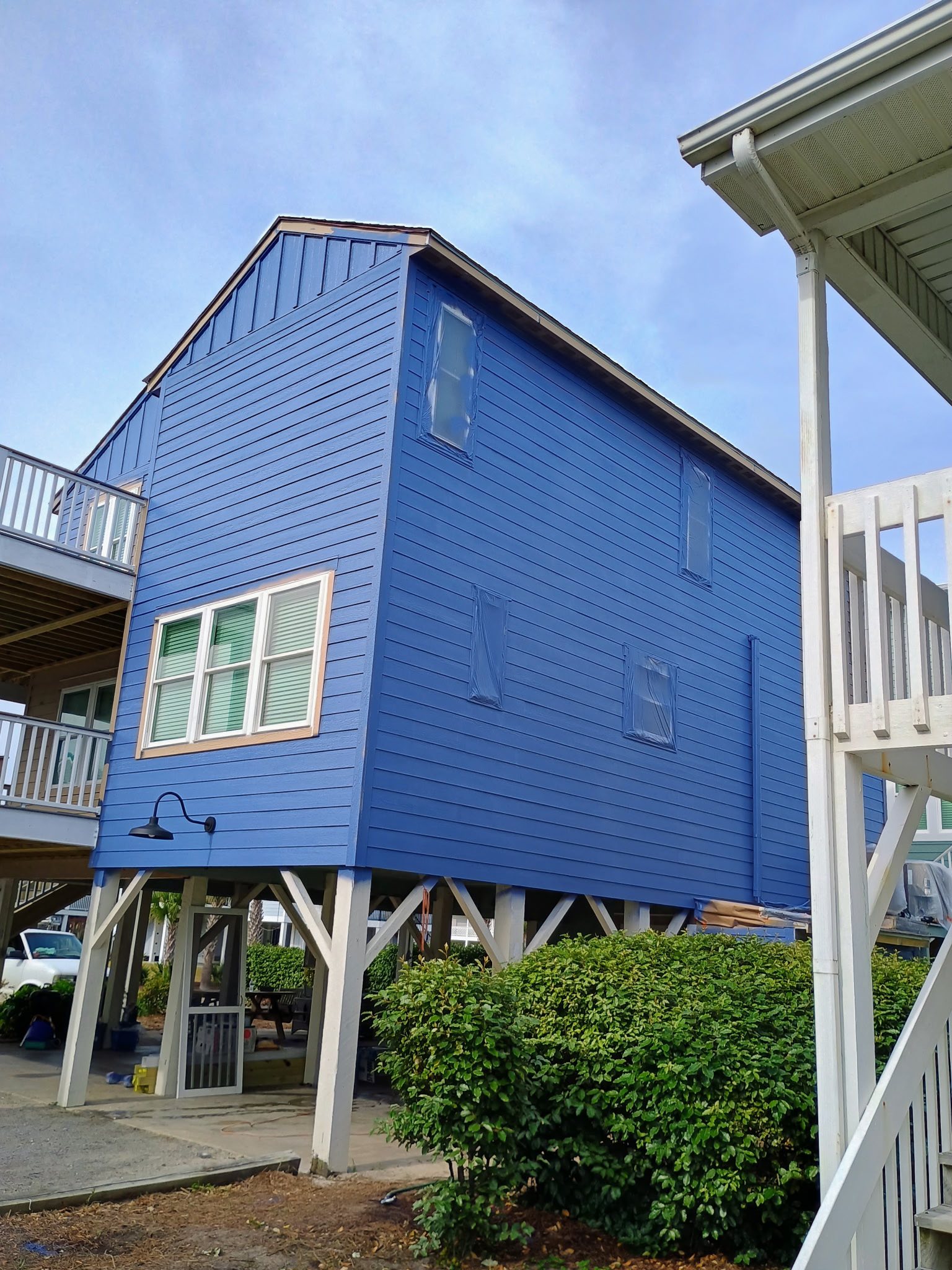
Once you've considered the architectural and environmental factors, it's time to select your colors. A monochromatic color scheme, which involves variations of the same color, creates a sophisticated and cohesive look. Alternatively, complementary colors—those that are opposite each other on the color wheel—can create a dynamic and vibrant atmosphere. For instance, a soft blue exterior paired with an orange-toned interior can create an unexpected and inviting visual flow.
The finishes you select play an integral role in the overall aesthetic. Glossy finishes can highlight architectural details and are often used in modern homes for a sleek look, while matte finishes can evoke a warm, rustic feeling suitable for traditional settings. Consider how light affects these finishes; for example, a room with lots of natural sunlight might benefit from cooler tones reflected in a satin or semi-gloss finish to prevent the space from feeling too warm.
Balance is crucial when aligning your interior and exterior colors. One effective method is to choose three main colors: a dominant color that represents about 60% of your scheme, a secondary color for about 30%, and an accent color to add small, impactful touches comprising the remaining 10%. This 60-30-10 rule is a standard interior design practice that works just as well when extending your color scheme outdoors.
Another key factor is the consistency in color flow when doors and windows are open. Test how colors look from different viewpoints by observing your chosen samples at various times of the day. Lighting conditions can dramatically alter the perception of color, so it's wise to witness their appearance during morning, afternoon, and evening light.
For a truly personalized touch, incorporate elements such as painted trim, shutters, or a vibrant front door. These details can tie the colors of your home's interior with its exterior, solidifying the transition. Remember, the key is not to have matching colors, but harmonious ones that complement and enhance each other.
Finally, consult with experts at PJ's Interior-Exterior Painting for insights and advice. Professional painters bring a wealth of knowledge and experience, ensuring your home's color transition not only meets but exceeds your vision.
By understanding the interplay between architecture, environment, and color choice, you can create a seamless flow of style that extends from the inside out, enhancing your home with an elegantly synchronized palette. Through careful selection and thoughtful application, your home will impress with its ability to seamlessly bridge its interior and exterior worlds.
/filters:no_upscale()/filters:format(webp)/media/27f92a9d-8296-482c-9eab-799eccd577d2.jpeg)