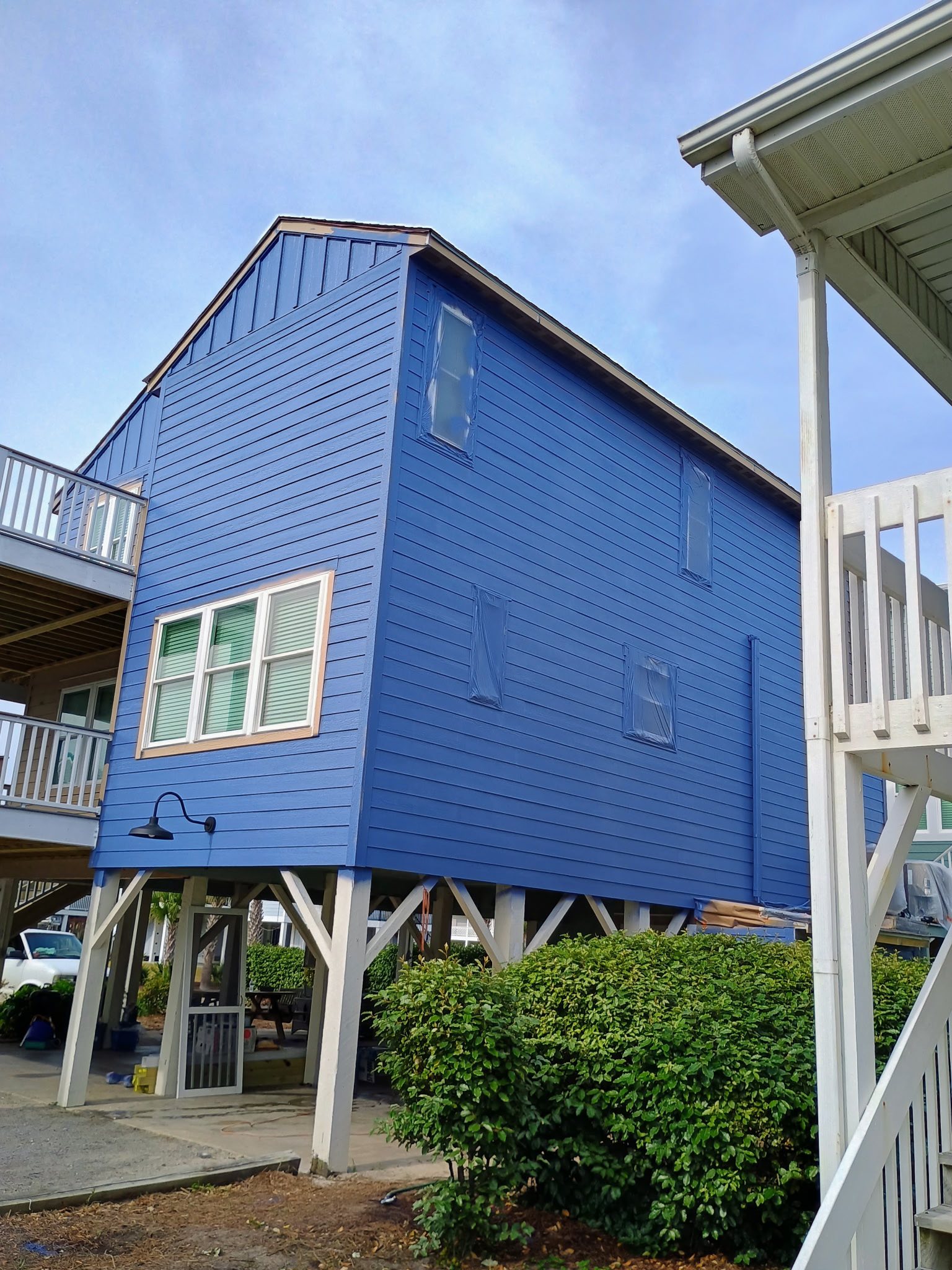
The Art of Precision: Techniques for Flawless Paint Application Jun 05, 2026
When considering any painting project, preparation is key. Begin by thoroughly cleaning the surfaces to remove dust, dirt, and grime that could otherwise prevent the paint from adhering properly. For interior spaces, focus on wiping down walls and using mild detergents for tougher areas. If you're painting the exterior, pressure washing can help eliminate stubborn residues.
Sanding is another crucial step. It ensures that any rough spots are smoothed out, helping the paint to glide on smoothly. Use fine-grit sandpaper for indoor walls and medium-grit for exteriors where surfaces might be more weathered. Remember, the goal is to create a perfect canvas for your paint.
Once the surfaces are prepped, consider applying a primer, especially if you’re working with new drywall or covering stains. A good primer not only helps seal the surface but also enhances paint adhesion, which is critical for a uniform finish. For exteriors, a primer protects against harsh weather, preserving the paint’s longevity.
Choosing the right paint type is also crucial. For interior walls, flat or matte finishes are ideal in minimizing wall imperfections, while eggshell is a more durable option for high-traffic areas. For exterior projects, consider paints formulated to withstand specific weather conditions. Always opt for high-quality paint, as these are typically more pigmented and provide better coverage, ensuring your hard work isn't ruined by premature fading or cracking.
In terms of tools, having a good set of brushes and rollers can make all the difference. High-quality brushes provide a smoother finish, while rollers cover large areas more efficiently. Use angled brushes for trim and edging to maintain sharp lines. Don’t forget painter’s tape, an essential for protecting areas that shouldn’t be painted and achieving those crisp, professional-looking edges.
Techniques such as cutting in and back-rolling are invaluable for achieving flawless results. Cutting in involves painting a perimeter along edges before filling in larger areas with a roller. This technique creates clean boundaries and reduces the likelihood of paint overlap. Back-rolling, often used in conjunction with sprayers for exterior walls, ensures even distribution of paint, preventing streaks or blotches.
Remember to work in sections, keeping a wet edge to avoid lap marks. This method maintains consistency in color and texture across the surface. Painting during optimal weather conditions also plays a role; avoid extreme temperatures and high humidity for exterior projects, as these can affect paint curing and lead to blemishes.
Finally, great painting is all about patience and precision. Allow adequate drying time between coats to ensure each layer sets properly, promising a durable and beautiful finish.
At PJ's Interior-Exterior Painting, we believe that the art of precise paint application lies in meticulous preparation, informed product choices, and expert techniques. By following these guidelines, even the most daunting painting project can become an achievable and rewarding task, ushering you into a beautifully transformed space.
/filters:no_upscale()/filters:format(webp)/media/27f92a9d-8296-482c-9eab-799eccd577d2.jpeg)