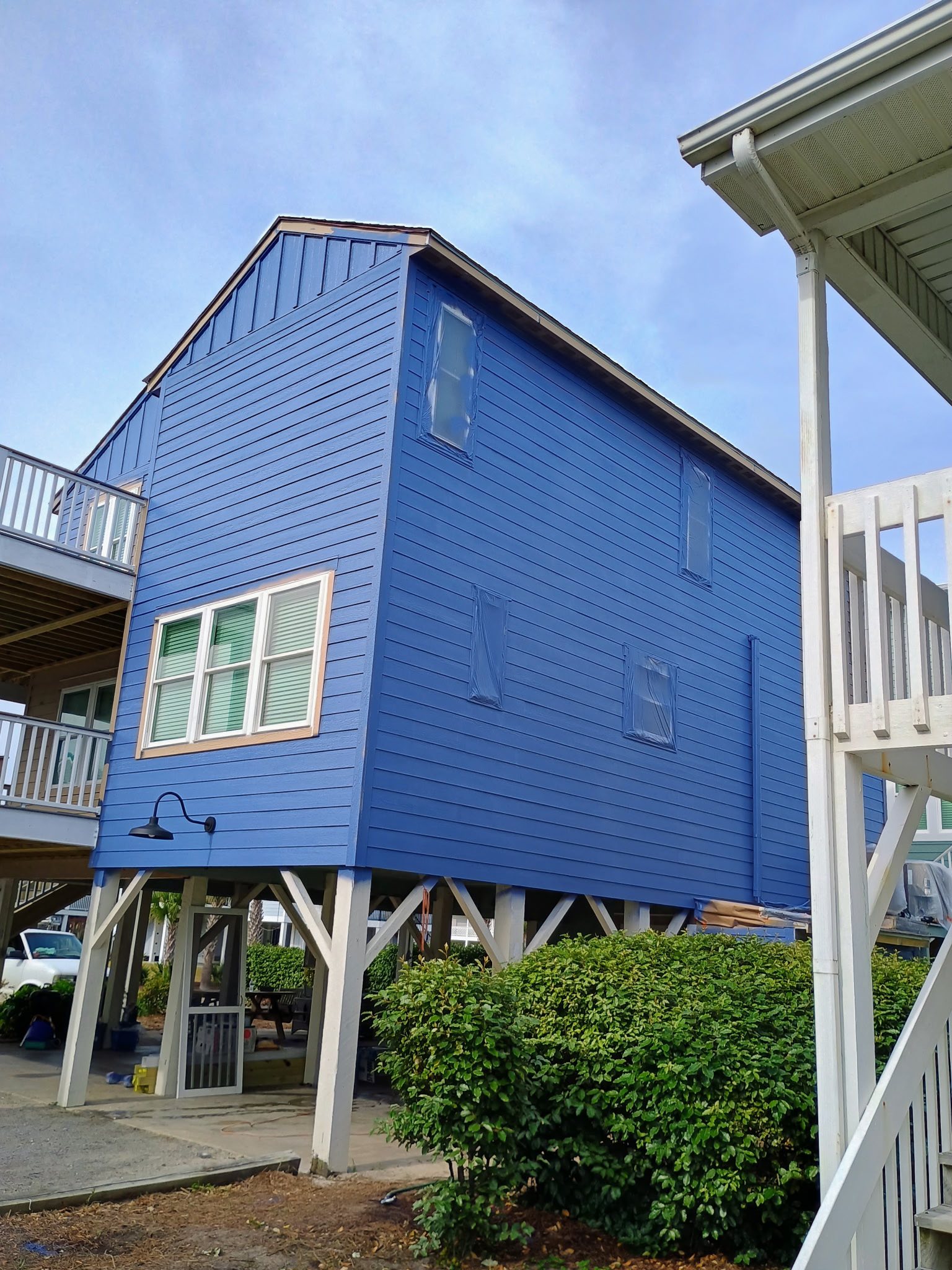
The Finishing Touch: Detailing Tips from the Painting Pros at PJ's Apr 30, 2026
The first step in achieving a professional-grade paint finish is preparation. This foundational stage is crucial. Start by inspecting your surfaces for any imperfections like cracks or holes, because these can affect the final outcome. Repair these areas with filler and sand them smooth. Cleaning surfaces to remove dust, grease, or mildew ensures that the paint adheres properly, extending its durability and maintaining its appearance over time.
Once you’ve prepared your surfaces, selecting the right painting tools is essential. Investing in high-quality brushes, rollers, and painter's tape can significantly impact your end results. For detailed work, such as cutting in around windows and doors, a quality angled brush can provide clean, precise lines. Properly taping off areas where you don’t want paint ensures that only the intended surfaces get coated.
The type of paint you choose also plays a vital role in the finishing touch. Consider the room’s function and lighting when selecting colors. Gloss and semi-gloss paints are ideal for high-traffic areas due to their durability and ease of cleaning, while eggshell and matte finishes can create a softer, more luxurious look in bedrooms and living rooms. Using a primer can help ensure even coverage, especially if you’re going from a dark to a light color.
Technique matters just as much as the tools you use. For even coverage, use long, smooth strokes with a consistent amount of pressure when applying paint with a brush or roller. Work your way from top to bottom; this prevents accidental drips from ruining freshly painted, lower sections. It’s also key to maintain a wet edge to avoid lap marks—a technique slightly overlapping newly painted areas with your brush or roller so that paint doesn't dry in overlapping sections.
At PJ's Interior-Exterior Painting, we emphasize the importance of patience. Rushing through the job can lead to mistakes and a less-than-flattering finish. Allow sufficient drying time between coats—it ensures each layer bonds properly without dragging or streaking.
The finishing touches are what set your paint job apart. Once the main surface is done and drying, inspect for spots that need touching up. Remove any painter’s tape carefully to avoid pulling off fresh paint, and address any minor touch-ups with care. If any paint gets onto glass or other fixtures, a razor blade can remove it without scratching surfaces.
Finally, stand back and admire your hard work. Taking pride in the attention to detail not only heightens the aesthetic appeal of your home but also contributes to its overall value. Each layer of paint can transform a space, adding personality and character to every room.
By incorporating these detailing tips from PJ's Interior-Exterior Painting, your upcoming painting project can achieve a stunning, professional finish that aligned with your vision. Painting is an art, and with these professional insights, you’ll master the finishing touches to bring beauty and durability to any space.
/filters:no_upscale()/filters:format(webp)/media/27f92a9d-8296-482c-9eab-799eccd577d2.jpeg)